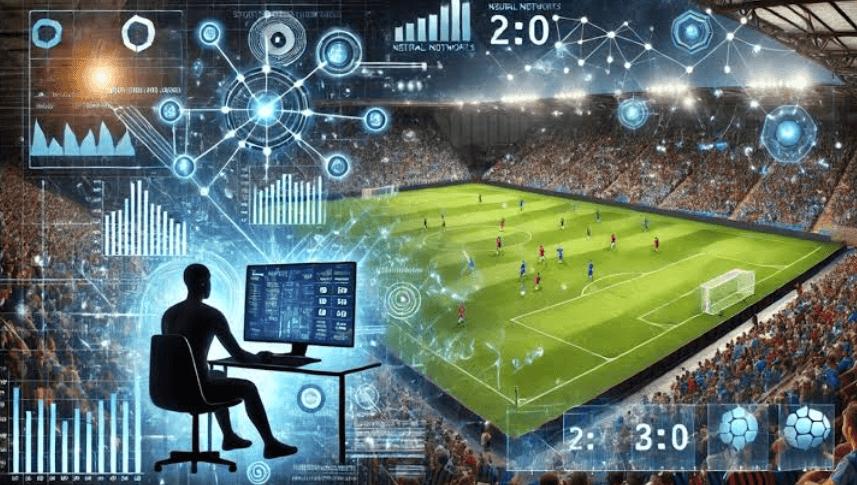
AI sports feeds have changed how fans meet information. A football supporter can receive a lineup alert before kickoff. A tennis follower can get a match update at the right moment. A racing fan can see timing changes, driver data, and short clips without searching through a full news page. The feed feels useful because it understands context, timing, and personal interest.
This same logic is moving into live entertainment. Users comparing real time formats can start here to see how live casino screens depend on video flow, table visibility, and interactive choices. The broader lesson is simple: personalization works when it helps people find what matters faster, while still keeping control in their hands.
Sports Feeds Made Relevance Feel Normal
Sports apps no longer treat every fan the same. Someone who follows basketball does not need constant tennis alerts. A person tracking one club does not want every league pushed to the top. Smart feeds sort updates by favorite teams, athletes, competitions, location, timing, and recent behavior.
This changed digital expectations. Users now open a screen and expect it to feel partly prepared for them. They want the platform to remember useful preferences, show timely options, and reduce extra searching.
Live casino platforms face a similar challenge. A crowded lobby can slow choice if every table card looks equally relevant. Personalization can make that first screen easier to read.
Live Casino Lobbies Need Smarter Sorting
A live lobby has many moving parts. Tables may differ by format, pace, language, dealer view, limits, popularity, and availability. Without structure, users may scan too long before finding a suitable option.
AI can help organize the screen around practical signals:
- Recently viewed tables.
- Preferred game formats.
- Available seats or active tables.
- Language and pace preferences.
- Clear separation between popular, new, and personal suggestions.
The purpose is not to push users toward one choice. The better goal is to remove unnecessary friction. Manual search, category filters, and full browsing should remain easy to access.
Athlete Feeds Show the Value of Recognition
Sports personalization works partly because visual recognition is fast. Fans can identify Messi, Ronaldo, Serena Williams, LeBron James, or Max Verstappen through faces, team colors, short clips, stat cards, and headline formats. The screen gives context before the user reads every word.
Live casino design can use the same principle. Table cards, dealer thumbnails, game labels, status tags, and simple visual markers can help users understand the lobby faster. Clear recognition matters more than flashy design.
If every card competes for attention, the screen becomes tiring. If each section has a clear visual purpose, users move with more confidence.
Timing Turns Suggestions Into Help
A sports alert is useful when it arrives at the right moment. A lineup update before a match feels practical. The same update hours later feels weaker. Timing changes the value of personalization.
Live casino platforms can follow that rule. Recently visited tables should appear when users return. Related formats should appear while browsing. Live status updates should be visible when they affect the next choice.
Poor timing can make even relevant suggestions feel intrusive. Good timing makes the platform feel responsive without being forceful.
Transparency Keeps AI From Feeling Pushy
AI recommendations need visible logic. Sports apps often show why a user sees an update: a followed team, a favorite player, a live event, or a trending match. That small context helps users trust the feed.
Live casino screens should offer the same clarity. Labels such as recently viewed, similar format, active now, or popular today can explain why something appears. Users should also be able to adjust preferences, clear history, change filters, or ignore suggestions.
Personalization works best when it supports choice rather than replacing it.
The Smarter Live Screen Ahead
The next stage of live casino personalization will likely look more like a refined sports feed than a static lobby. It will organize tables by relevance, timing, and visual clarity while leaving browsing open.
AI can make live screens easier to scan, but design still carries the experience. The strongest platforms will combine smart sorting with readable cards, simple controls, and transparent prompts. Sports feeds already show the path: personalization feels useful when it respects attention, context, and user control.